- +91-7974292029, +91-9993800886, +91-9826030969
- [email protected]
- Mon - Sat 10:00 - 20:00 Hrs

Benefits of Wilderness Camps for Indian Students
Why Outdoor Experiential Learning is the Best Antidote to Digital Fatigue for Young Minds
From virtual assignments and gaming to late-night smartphone scrolling, young minds today face unprecedented digital stimulation. While technology keeps kids connected, managing green time vs screen time has become one of the biggest challenges for parents and educators across the country.
High-tech schedules often lead to reduced attention spans, elevated stress, and sedentary habits. The most effective counter-solution is spending structured, purposeful time in nature. Participating in dedicated wilderness camps for Indian students offers a safe, immersive environment to trade screen notifications for real-world adventure, hands-on leadership, and active outdoor learning.
The Screen Time Crisis in Indian Classrooms & Homes
How Digital Fatigue Impacts Attention Spans and Stress
-
Cognitive Overload: Constant screen stimuli fragment focus, making deep concentration difficult in academic settings.
-
Physical Inactivity: Long hours spent indoors disrupt sleep cycles, physical stamina, and posture.
-
Relational Barriers: Digital messaging frequently replaces face-to-face teamwork, conflict resolution, and emotional intelligence.
When a child spends six hours a day interacting with a flat glass screen, their prefrontal cortex—the command center for focus, impulse control, and critical decision-making—runs on an exhausting loop of directed attention. This results in severe digital fatigue.
In urban centers across India, from the high-rises of Mumbai to the concrete corridors of Delhi, the natural sensory baseline of childhood has been replaced by artificial pings. The brain remains in a constant state of low-grade cognitive stress. This flat, non-tactile existence deprives the developing mind of “soft fascination”—the effortless attention triggered by natural environments that allows the brain’s default mode network to rest, recover, and integrate learning.

Reclaiming Deep Focus via a Wilderness Camp for Kids
#1: Restoring Focus through Green Time vs Screen Time Balance
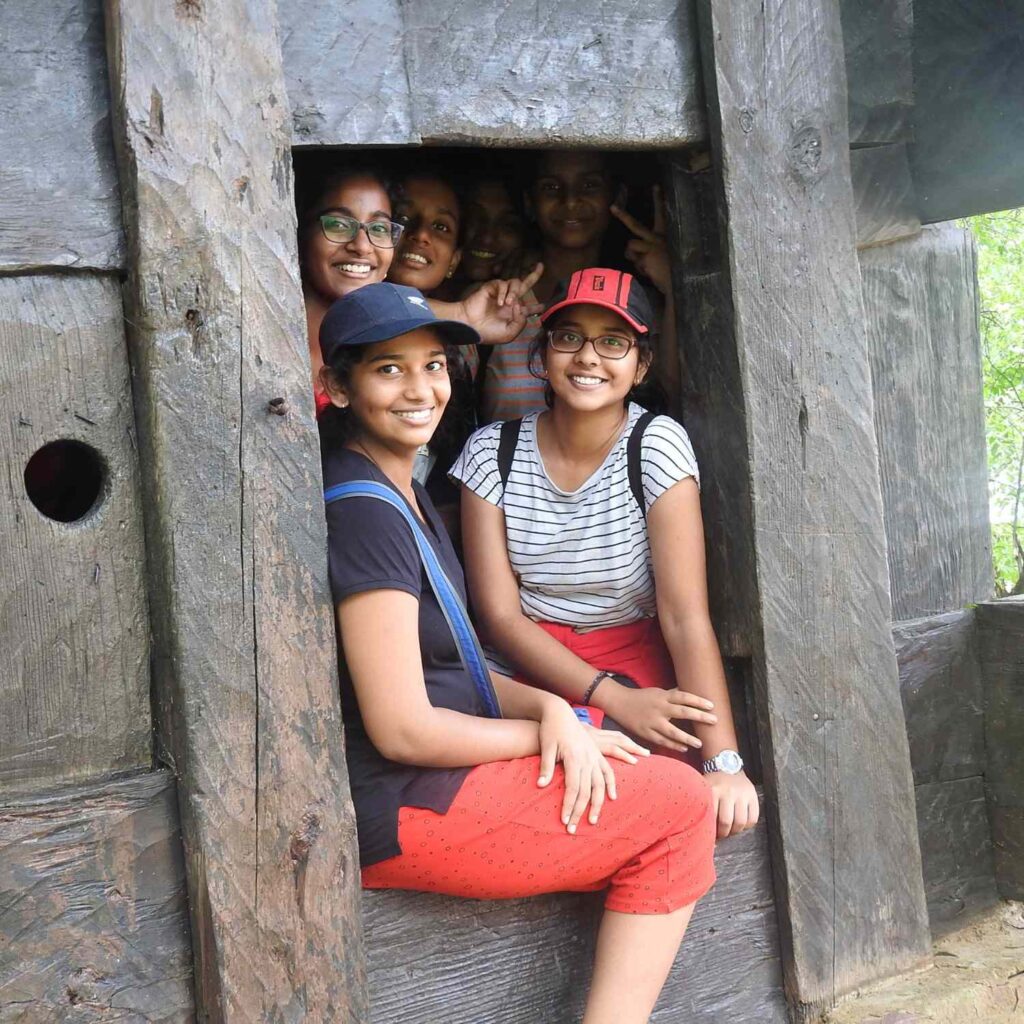
Continuous screen exposure forces the brain into a state of relentless directed attention—filtering out distractions to focus on bright, rapidly changing pixels. Over time, this leads to mental fatigue, shortened attention spans, and heightened stress levels. Immersing children in nature reverses this dynamic through what psychologists call Attention Restoration Theory. In natural settings, soft fascination takes over, allowing the prefrontal cortex to rest and recharge. By recalibrating green time vs screen time, outdoor environments help young minds reset their baseline focus, leading to improved cognitive performance and lower anxiety when they return to the classroom.
#2: Building Real-World Resilience and Leadership
Unlike controlled indoor settings where answers are a click away, outdoor environments present unpredictable, real-world challenges. Whether it is navigating a forest trail, pitching a tent before sunset, or managing team roles during a weather shift, wilderness camps for Indian students push young participants outside their comfort zones. Facing these manageable hardships builds emotional grit and adaptability. Students learn that failure on the trail is simply feedback, fostering a practical leadership style rooted in decision-making, resourcefulness, and self-reliance.
#3: Fostering Environmental Stewardship and Curiosity
Textbooks can explain ecosystems and biodiversity, but true environmental awareness only develops through firsthand experience. When students trade screen time for time under the open sky, abstract environmental concepts become tangible reality. Wandering through natural habitats, observing flora and fauna, and experiencing untouched landscapes cultivates a genuine sense of wonder. This direct connection inspires a natural sense of responsibility, transforming passive readers into active stewards of the environment.
#4: Encouraging Physical Health and Active Lifestyles
A sedentary, screen-centric lifestyle directly impacts physical health, contributing to poor posture, reduced stamina, and disrupted sleep cycles. Participating in wilderness camps for Indian students naturally reintroduces physical movement through trekking, scrambling, and group team-building exercises. This sustained physical effort increases cardiovascular fitness, improves coordination, and stimulates natural endorphin release. Moreover, spending daytime hours in natural sunlight regulates circadian rhythms, helping students achieve deeper, more restorative sleep without relying on nighttime screen scrolling.
#5: Strengthening Peer Bonds Outside the Classroom
In digital spaces, interactions are often filtered through social media profiles and structured messaging. Nature acts as an equalizer, stripping away digital facades and traditional classroom cliques. When students gather around a campfire, share a meal after a long hike, or work together to overcome an obstacle on the trail, they communicate authentically. Shifting the focus toward green time vs screen time fosters shared experiences that build deep empathy, improve conflict resolution skills, and forge long-lasting peer relationships built on real-world trust.

Why Schools Are Swapping Classrooms for Outdoor Experiential Learning
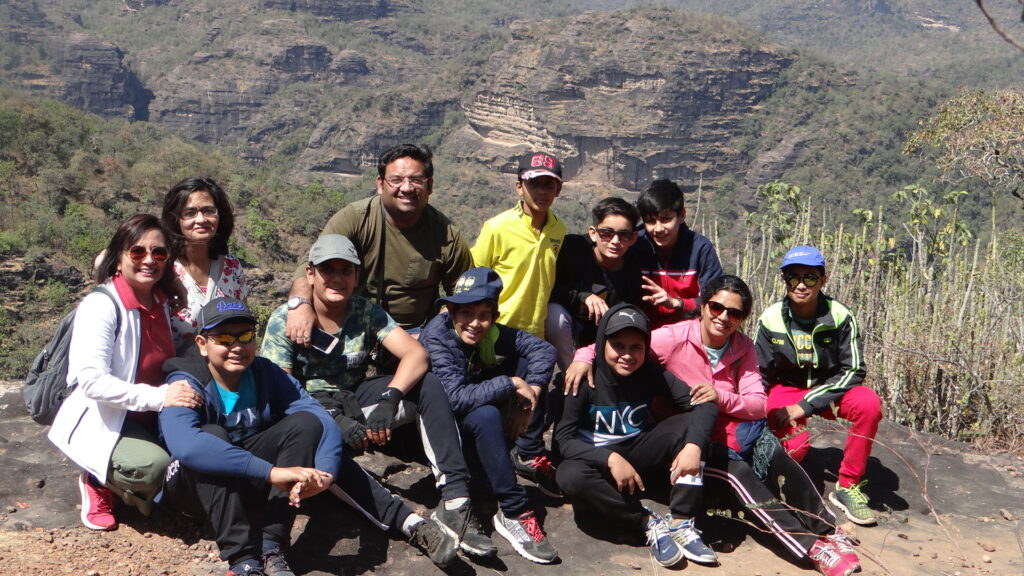
Progressive schools are actively integrating outdoor education into their annual curricula. Balancing green time vs screen time isn’t just about taking a break—it’s about experiential learning that builds character, environmental responsibility, and social intelligence outside traditional classroom walls.This is not a distraction from academics; it is the very foundation of robust academic enquiry. By utilizing premium nature camps in India, progressive schools are unlocking the exact experiential frameworks mandated by the NEP 2020 guidelines.
When students observe the intricate, mathematical fractals of a leaf canopy or study the micro-ecosystems thriving beneath a mossy rock, abstract biology and geography textbooks come alive. Outdoor experiential learning forces a child to move from passive consumption to active, scientific hypothesis-testing. They learn to read a landscape, decipher weather patterns, and appreciate the delicate mechanics of conservation through direct experience.
How Junoon Adventure Crafts Safe, Impactful Wilderness Camps for Indian Students
At Junoon Adventure, our youth expeditions are designed with strict safety protocols, certified instructors, and curriculum-aligned outdoor learning goals. Whether it’s an outstation nature camp, an offbeat Himalayan trek, or a multi-day wilderness expedition, we help schools deliver safe, transformative experiences. We completely reject the generic, one-size-fits-all model of commercial school tourism. We meticulously engineer separate, age-graded experiential programs tailored precisely to the developmental psychology and physical capabilities of each specific grade. A 6th-grade explorer needs tactile biodiversity tracking; a 10th-grade leader requires complex, autonomous navigational challenges.
To ensure absolute psychological safety and rigorous mentoring, we operate on an elite, uncompromising 1:10 adult-to-child ratio—which scales down to 1:5 for high-adrenaline technical deployments. Our students do not visit a destination to consume it for selfies; they learn to listen to it.
Through our non-negotiable Litter Warriors Initiative, every single participant engages in systematic, leave-no-trace garbage-picking operations, leaving every trail pristine. We teach our students that true adventurers don’t just conquer peaks—they protect the soil that supports them.
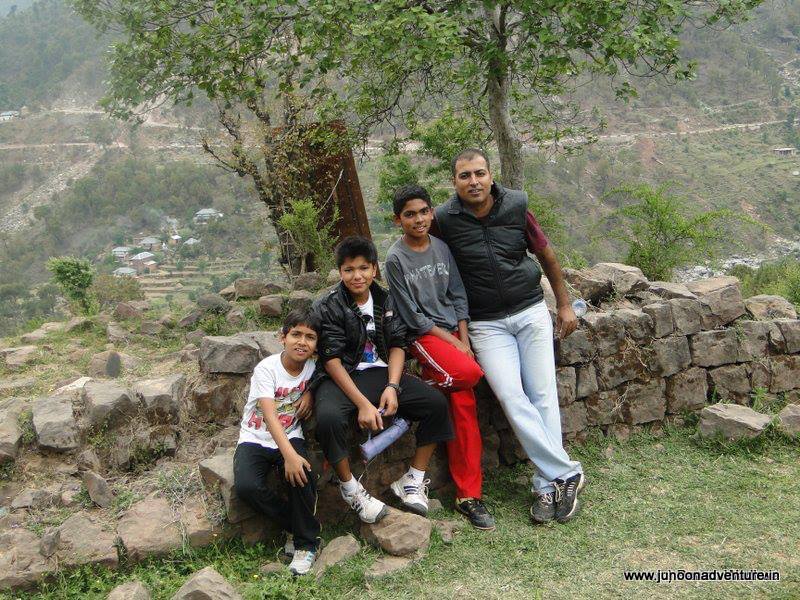

Planning an Outstation Trip or Outdoor Camp for Your School?
Partner with Junoon Adventure to design a safe, customized outdoor program.
Frequently asked questions about wilderness camps for kids
How do wilderness camps help reduce screen addiction in students?
Wilderness camps substitute screen-based dopamine loops with engaging real-world activities like trekking, navigation, and team challenges, naturally shifting student attention back to physical interactions.
Are outdoor wilderness camps safe for school students in India?
Yes. Professional operators like Junoon Adventure maintain strict safety standards, including certified wilderness guides, comprehensive risk assessments, medical backup, and tailored student-to-instructor ratios.
How do wilderness camps for students reduce screen addiction?
Wilderness camps replace screen-based dopamine triggers with engaging real-world activities like trekking, navigation, and team challenges, naturally shifting student focus toward real-life interactions.
What is the ideal balance of green time vs screen time for students?
While daily outdoor time is essential, structured multi-day wilderness programs offer an extended “digital detox” that resets focus, reduces stress, and improves sleep patterns.
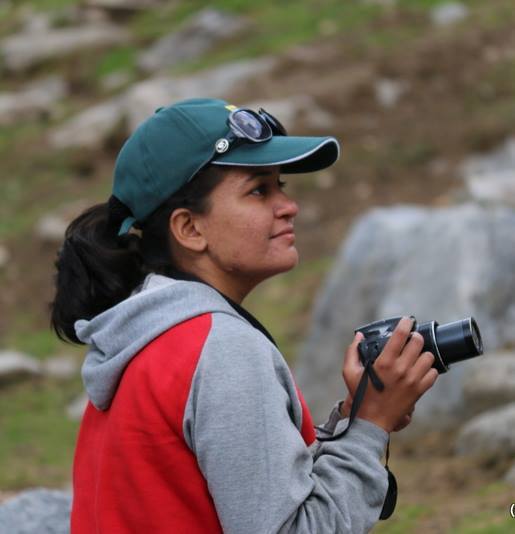
About the Author
MISHI BHATNAGAR
Digital Head & Experiential Learning Specialist
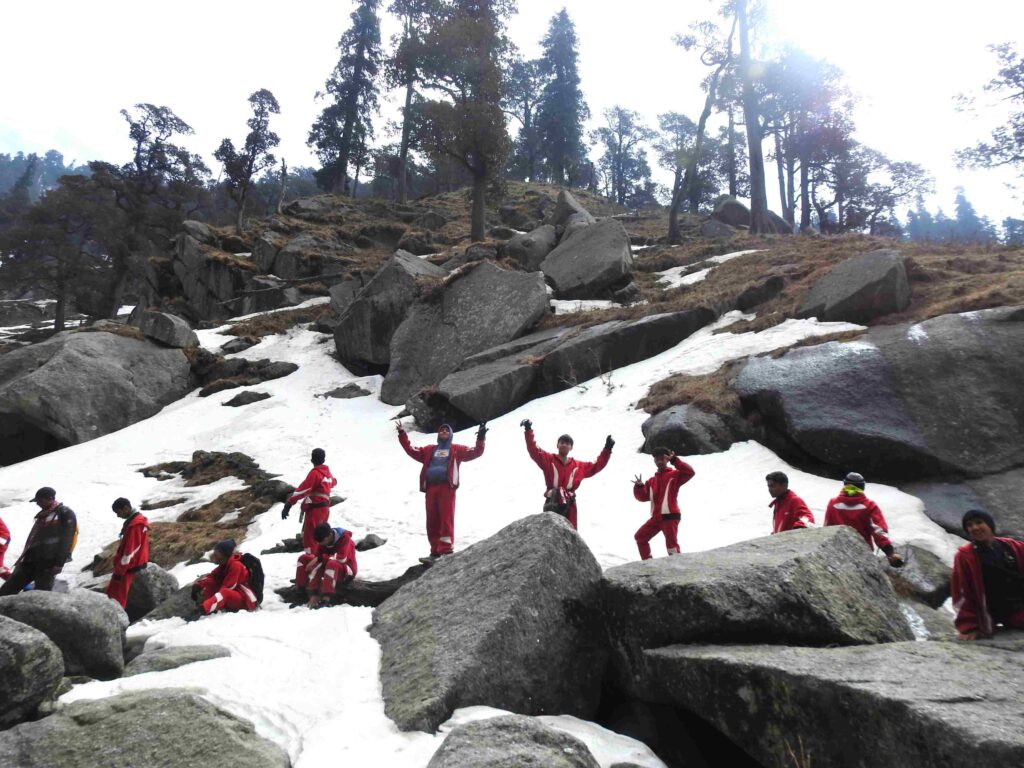
If you need a masterclass in never giving up—or just someone who will stubbornly refuse to let you give up—meet Mishi. A Company Secretary by education, she swapped corporate boardrooms for the great outdoors, proving that you can absolutely track a balance sheet while trekking a Himalayan trail.
As Junoon’s resident digital head, storyteller, and outdoor education enthusiast since 2012, Mishi has a relentless zeal for exploration that perfectly matches the company’s wild spirit. She strikes that rare, magical balance between being a hardcore, detail-oriented professional and the absolute life of the campfire. Known for her boundless energy and an endless supply of stories, she has never once been short of words. Seriously, we’ve been trying to get her to shut up for over a decade, but when you love the mountains this much, you’ve just got to shout it from the peaks!