- +91-7974292029, +91-9993800886, +91-9826030969
- [email protected]
- Mon - Sat 10:00 - 20:00 Hrs

Kareri Lake Trek – Complete Winter Guide
Plan your Dharamshala Kareri Lake trek with this complete winter guide—routes, starting points, travel tips, and essential trek details.
Nestled in the lap of the Dhauladhar ranges, Dharamshala Kareri Lake is more than just a trek—it’s a journey into frozen serenity. Dharamshala, with its vibrant Tibetan culture, bustling bazaars, and easy connectivity, serves as the perfect gateway to this Himalayan jewel. Just beyond the cafés of Mcleodganj and the prayer flags of Dharamshala lies a trail that leads you into silence, snow, and solitude.
The Kareri Lake trek in winter is unlike any other. As temperatures dip, the alpine lake transforms into a shimmering sheet of ice, pine forests wear snowy crowns, and streams freeze into crystal ribbons. Starting from Dharamshala, the trek offers not only accessibility but also a chance to acclimatize amidst culture and comfort before stepping into wilderness. Whether you’re a seasoned adventurer or a first‑time trekker, Dharamshala makes the perfect launchpad—easy to reach, full of charm, and close enough to Kareri village, the trek’s starting point.
This guide is designed to give you everything you need to know: from the Kareri Lake trek starting point, to the trek route, to practical details on how to reach Kareri Lake from Dharamshala or Mcleodganj. We’ll also cover essential winter tips, gear, and safety so you can step onto the trail prepared and confident.
So, if you’ve ever wondered how to plan the Kareri trek in winter, this complete guide is your map, your checklist, and your inspiration rolled into one.
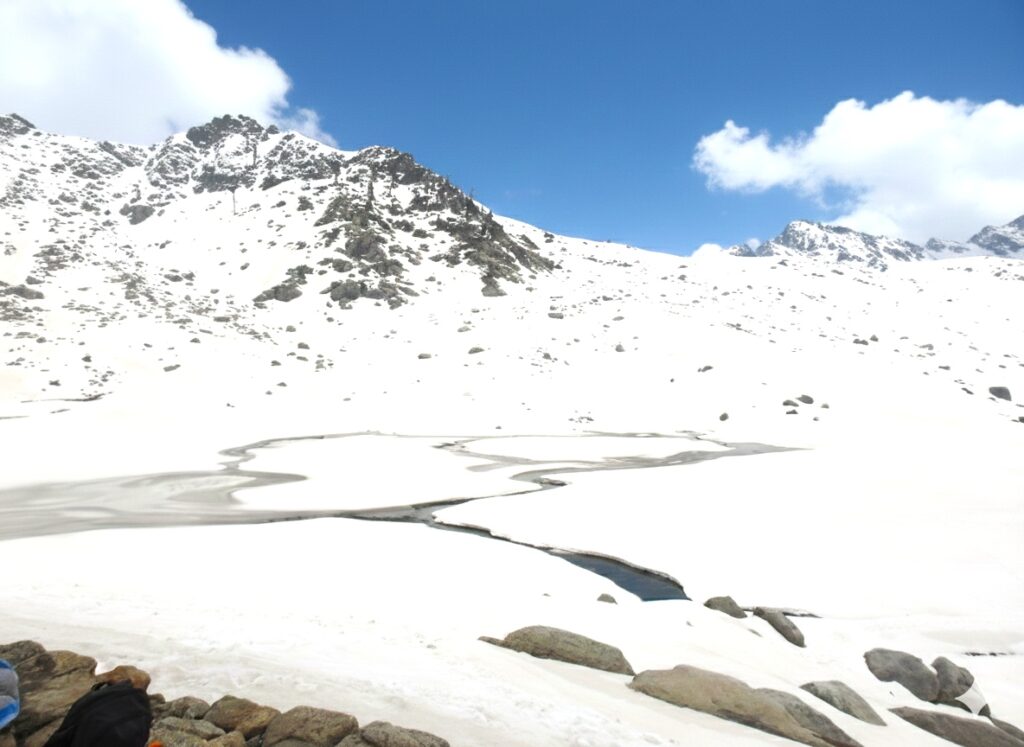
Winter Kareri Lake trek - all you need to know
Duration: 3 Nights - 4 Days
Trek Grade: Difficult
Total Trek: 18 kms.
Pick up & Drop: Dharamshala
Trek Altitude: 2934 Mts.
Location: Dhauladhars
Stay: Hotel & Camp
Acclimatization: McLeodganj
The Kareri Lake trek is one of Himachal’s most enchanting short treks, especially during the winter months when the alpine lake remains frozen from December to March. Located about 9 km northwest of Dharamshala, the lake lies south of the mighty Dhauladhar range, offering panoramic views of surrounding passes such as Baleni Pass, Minkiani Pass, and Indrahar Pass. These high mountain corridors connect Kareri to other valleys and trekking routes, making the region a hub for adventure seekers.
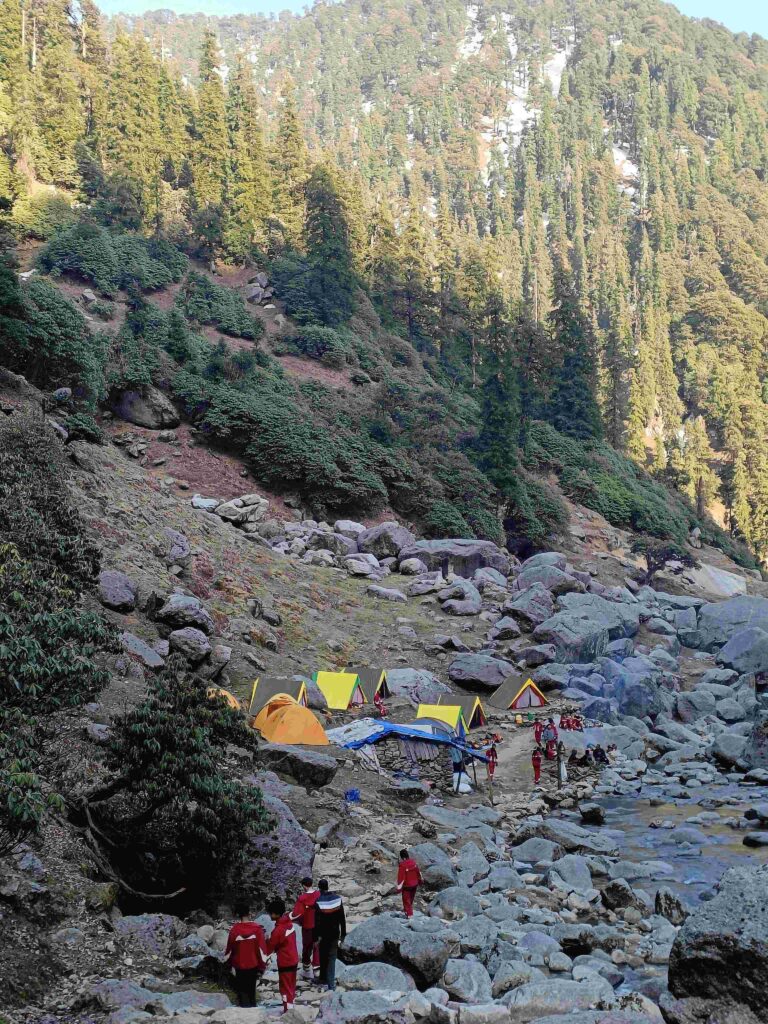
The trek usually begins from Kareri village, a quaint hamlet accessible from Dharamshala or Mcleodganj. From here, the trail winds through pine and oak forests, crossing shepherd settlements and grazing grounds. The trek follows the course of the Nyund Nallah (Nyund stream), a glacial river that originates from Kareri Lake itself. This stream guides trekkers through the Nyund valley, adding both beauty and orientation to the journey.
The trek length is approximately 18 km round trip, typically completed in 2 days. It is a good idea to include at least 1 extra day for pre-trek acclimatization in Dharamshala and 1 rest day post trek to allow your body to recuperate after the strenuous trek. With that in mind, a well-balanced Kareri Lake winter trek itinerary will be planned over 3 nights and 4 days. It is considered an easy to moderate trek, suitable for beginners with basic fitness, though winter conditions—snow, ice, and cold winds—add a layer of challenge.
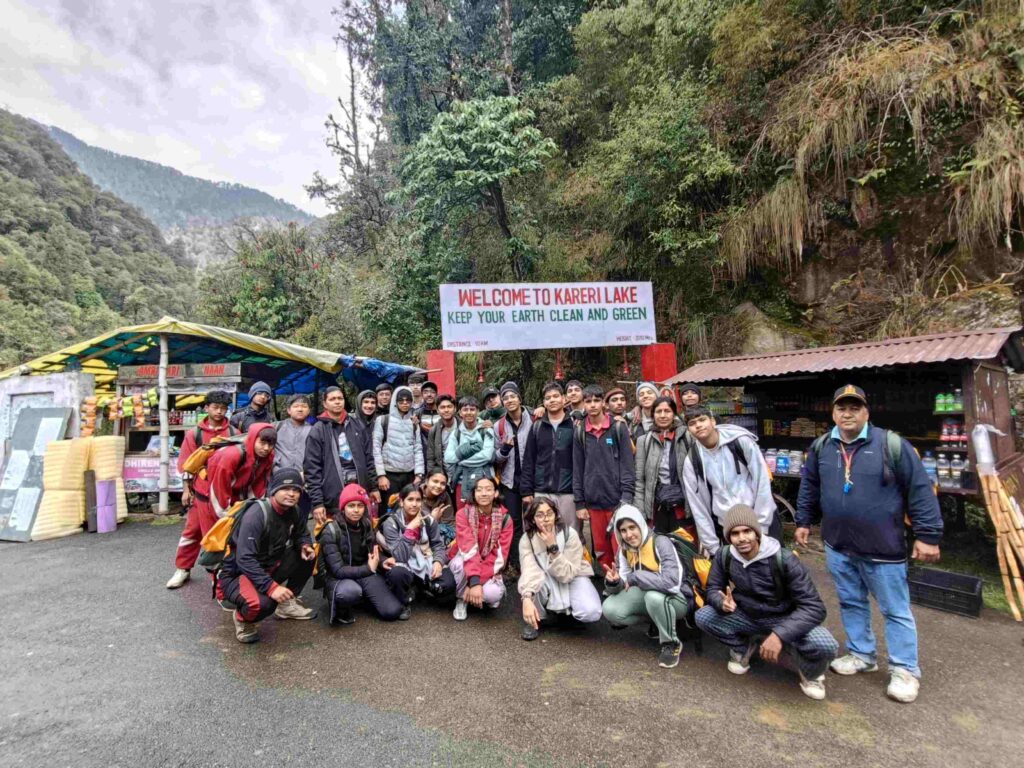
Winter Kareri Lake trek starting point
Every great Himalayan journey begins with a humble first step, and for the Kareri Lake trek, that step is taken at Kareri village. This quaint hamlet, tucked away in the Kangra district, serves as the official starting point of the Kareri Lake trek. Surrounded by pine forests and grazing meadows, the village is not just a trailhead—it’s a glimpse into the pastoral life of Himachal.
How to reach Kareri Village
Most trekkers begin their journey from Dharamshala or Mcleodganj, both of which are well‑connected by road and serve as convenient bases. From Dharamshala, Kareri village is about 26 km away, accessible via taxis, shared jeeps, or local buses. If you’re starting from Mcleodganj, the distance is slightly shorter, making it a popular choice for backpackers and solo travelers.
The drive itself is scenic, winding through pine‑lined roads and small Himachali settlements. Once you arrive at Kareri village, the trek begins with trails that hug the Nyund Nallah (glacial stream), gradually leading you deeper into the Nyund valley.
Winter Kareri Lake trek - Route
The Kareri Lake trek route is a journey that blends natural beauty with Himalayan adventure. Starting from Kareri village, the trail winds through dense pine and oak forests, gradually ascending along the banks of the Nyund Nallah, a glacial stream that originates from the lake itself. This stream acts as a natural guide, leading trekkers deeper into the Nyund valley and offering picturesque crossings over wooden bridges and rocky paths.
Winter Kareri Lake trek - difficulty
The Kareri trek is graded easy to moderate, making it suitable for beginners with basic fitness. In winter, however, snow‑covered trails and icy patches add a layer of challenge. Trekking poles, sturdy boots, and warm gear are essential. The altitude gain is gradual, but the cold and terrain demand preparation.
Winter Kareri Lake trek - Highlights along the route
The Kareri Lake trek route is not just a path—it’s a story of forests, rivers, and frozen silence, culminating in the breathtaking sight of a high‑altitude glacial lake shimmering under winter skies.
- Shepherd huts and grazing meadows that showcase Himachali pastoral life.
- Forest trails alive with pine, oak, and rhododendron.
- Frozen waterfalls and icy streams in winter.
- Kareri Mata Temple – The temple dedicated to Lord Shiva and Shakti overlooking the lake.
Winter Kareri Lake trek - Trail conditions
The Dharamshala Kareri Lake trek in winter is a completely different experience from any other season. From December to February, the alpine lake at 2,934 meters freezes into a glassy sheet of ice, reflecting the snow‑capped Dhauladhar peaks. The surrounding forests wear white crowns, and the Nyund Nallah becomes a frozen ribbon guiding trekkers through the valley. Trail conditions include:
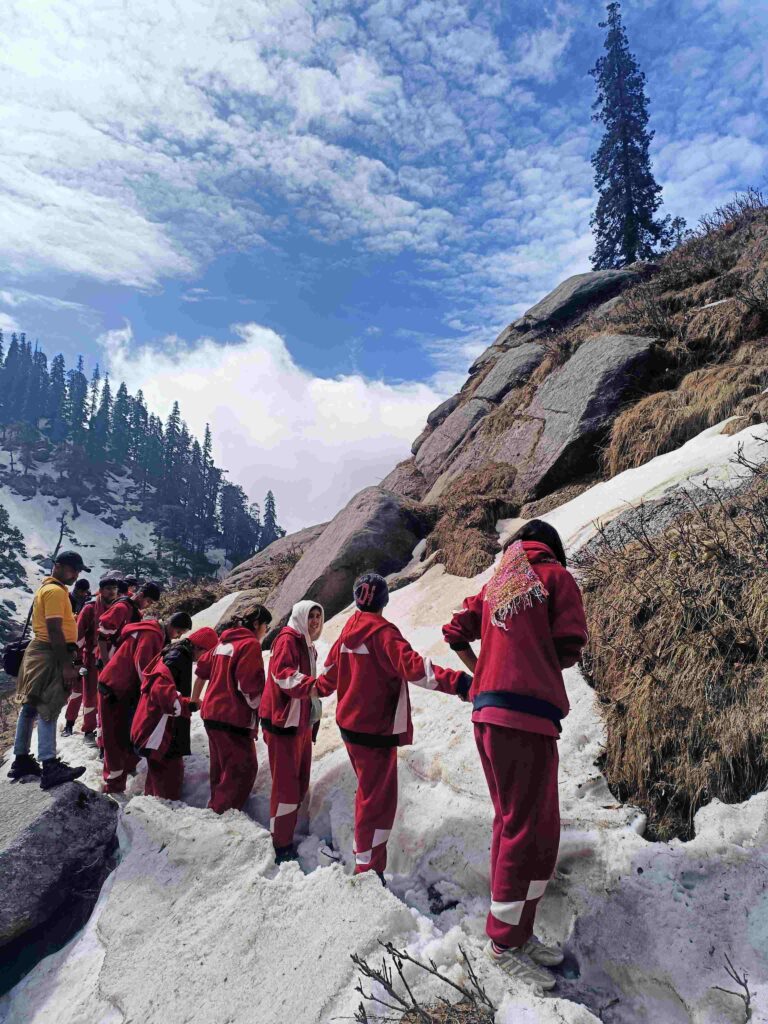
- Snow‑covered paths: Expect knee‑deep snow in some stretches, especially near the lake.
- Frozen streams: Wooden bridges and icy crossings add adventure to the route.
- Clear skies: Winter often brings crisp, blue skies—perfect for photography.
Winter Kareri Lake Trek - temperature and weather
- Daytime: 5°C to 10°C, manageable with layered clothing.
- Nighttime: Drops well below freezing, demanding insulated tents and sleeping bags.
- Winds: Cold Himalayan gusts, especially near the lake, make windproof jackets essential.
Winter Kareri Lake Trek - why go for it?
- Exclusivity: Fewer trekkers venture here in winter, giving you solitude on the trail.
- Frozen beauty: The lake, waterfalls, and streams all transform into icy sculptures.
- Adventure factor: Snow trekking adds challenge and thrill, even on a relatively easy route.
Winter Kareri Lake Trek - Safety & Preparation Tips
- Acclimatization: Spend a day in Dharamshala or Mcleodganj before starting to adjust to altitude and cold.
- Hydration: Even in winter, dehydration is common—sip water regularly.
- Guides & Support: Always trek with certified guides who know the winter route and conditions.
- Emergency Prep: Carry a basic first aid kit, power bank, and keep emergency contacts handy.
Winter Kareri Lake Trek - fitness preparation
- Cardio & Stamina: Regular jogging, brisk walking, or cycling for 30–45 minutes helps build endurance for long trail days.
- Leg Strength: Squats, lunges, and stair climbing prepare your muscles for uphill stretches and snow trekking.
- Flexibility & Balance: Yoga or stretching routines improve balance on icy paths and help prevent injuries.
- Practice Hikes: Short treks or long walks with a backpack simulate trail conditions and help you adjust to carrying weight.
Winter Kareri Lake trek - Gear checklist
- Footwear: Sturdy trekking boots with good grip, plus gaiters for snow.
- Clothing: Layered thermals, fleece jackets, windproof outer shell, gloves, and woolen caps.
- Trekking Essentials: Poles for balance, headlamp for early starts, insulated water bottles to prevent freezing.
- Camping Gear: Winter‑rated sleeping bags, insulated mats, and waterproof tents.
Winter Kareri Lake trek - flora you will see
- Pine & Oak Forests: The lower stretches of the trek are lined with towering pine and oak trees, their branches heavy with snow in winter.
- Rhododendrons: Though they bloom in spring, their hardy presence adds color to the trail even in the cold season.
- Alpine Meadows: Near Kareri Lake, meadows lie under a blanket of snow, offering a stark, pristine beauty.
Winter Kareri Lake trek - Wildlife to expect
- Himalayan Birds: Winter treks often bring sightings of magpies, bulbuls, and Himalayan monals, their colors vivid against the snow.
- Wildlife: The Nyund valley is home to Himalayan goats and occasional sightings of barking deer. In winter, most animals descend to lower altitudes, but their trails remain etched in the snow.
Winter Kareri Lake trek - Local culture to witness
- Gaddi Shepherds: The trek route passes through grazing grounds used by the Gaddi community, traditional shepherds of Himachal. Their stone huts and seasonal settlements dot the trail, offering a glimpse into pastoral life.
- Sacred Spaces: At the lake’s edge stands a small temple dedicated to Lord Shiva and Shakti, a spiritual marker that locals visit even in winter.
- Stories & Traditions: The trek is woven with folklore—tales of the Dhauladhar peaks, of shepherd journeys, and of the lake’s sacred aura.
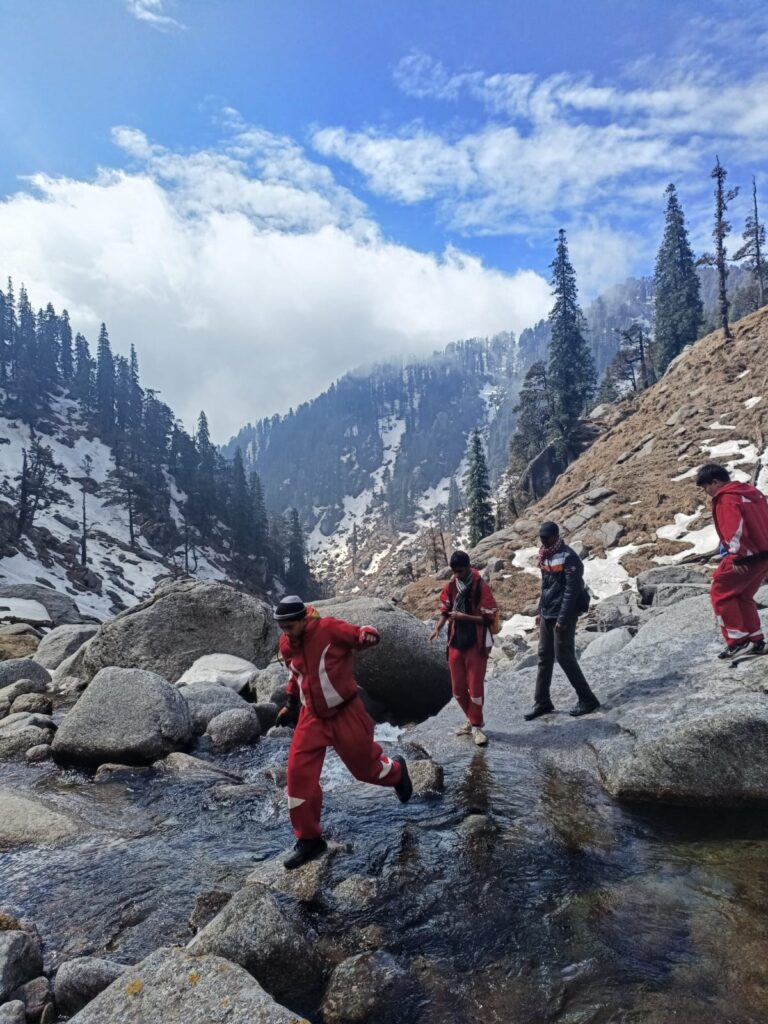
Winter Guide to Dharamshala Kareri Lake Trek
The Dharamshala Kareri Lake trek in winter is more than a trail—it’s a passage into silence, snow, and sacred beauty. At nearly 2,934 meters, the frozen lake mirrors the Dhauladhar peaks, while pine forests and icy streams whisper stories of shepherds and Himalayan folklore. Every step on the snowy path is a reminder that adventure is not just about reaching a destination, but about embracing the journey itself. For beginners, the trek offers a manageable challenge; for seasoned explorers, it’s a chance to rediscover the Himalayas in their most pristine form. Dharamshala and Mcleodganj make the journey accessible, but it’s the solitude of Kareri Lake in winter that makes the experience unforgettable.
If you’re ready to trade city noise for the crunch of snow under your boots, to swap deadlines for star‑lit nights by a frozen lake, then this trek is calling you.
Junoon Adventure invites you to step into this frozen wonderland. DM us to know more about upcoming Kareri Lake winter treks, itineraries, and packages. Let’s turn your Himalayan dream into reality.
About the author
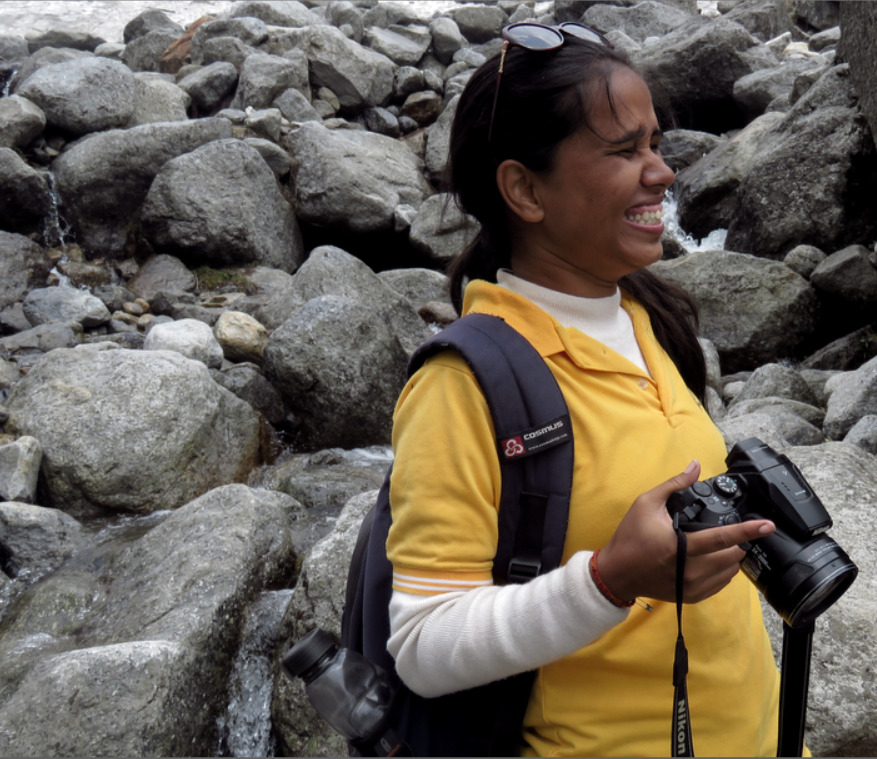
Rupanjali Singh
Meet Rupanjali Singh, lovingly known as Ruby Zee—Junoon’s core team dynamo and the heartbeat of our adventures. With an infectious laugh that can light up any campsite, she’s our in‑house prankster, fun‑maker, and laughter track rolled into one. Just the slightest nudge and Ruby will have the whole team in stitches, leaving everyone wondering, “What was so funny?”
Since 2015, she’s been an active force in the adventure industry, mastering the art of travel, event management, and marketing while adding her signature tadka of creativity to everything she touches. Whether she’s orchestrating treks, designing experiences, or keeping spirits high on the trail, Ruby embodies the will to live and conquer the world. Daring, chirpy, and endlessly imaginative, she ensures every Junoon journey is not just an adventure, but a story worth telling.